
Download free tools to make your next move confidently.
Start Here: Free Guides & Worksheets
What does my life cost right now?
The House & Your Next Chapter
Should I keep, sell or let go?
My Financial Freedom Vision
The Real Estate Reality Check
My Rebuilding Roadmap
Free Resources
Please Fill out our form to get access to our free Worsheets & Guides.
You will receive an email after the form is submitted.
FAQs
Can one real estate agent represent both spouses during a divorce?
Yes—when done correctly. I serve as a neutral third party, meaning I don’t advocate for one spouse over the other. My responsibility is to the home itself and to achieving the best possible result for both parties.
Who do you work for if you’re neutral?
I work for the home. Every decision is guided by market data, strategy, and what will protect the value of the asset—not personal agendas or emotions.
How is this different from a traditional agent?
Traditional agents typically represent one party. In divorce, that can create tension or distrust. My role is structured, transparent, and collaborative—designed specifically for divorce-related situations.
Do you work with attorneys and mediators?
Yes. Through The Divorce Collab, I regularly collaborate with legal and financial professionals so real estate decisions support the overall divorce strategy.
What’s the benefit of a neutral agent?
Less conflict. Clearer communication. Smarter decisions. And a smoother path forward for everyone involved.
If I’m getting divorced, what are my options for the house?
Most people choose one of three paths: sell and split the net proceeds, one spouse keeps the home and buys out the other, or temporary co-ownership (sometimes called a deferred sale). The right choice depends on mortgage terms, equity, kids, timing, and whether one person can qualify on their own.
Do we have to sell the house to get divorced?
Not necessarily. Divorce and the home decision can run on parallel tracks. Some couples sell right away, others refinance or do a buyout, and some keep the home temporarily if the timing supports it. The key is making sure the agreement is realistic and executable with lending guidelines.
What happens if my ex stops paying the mortgage during divorce?
Should we sell the house before or after the divorce is finalized?
What is a deferred sale agreement in divorce?
Can we co-own the house after divorce?
Yes, but it needs clear guardrails: payment responsibility, repair decisions, buyout triggers, sale timeline, and what happens if someone misses payments. Co-ownership only works when expectations are written and realistic.
How do we handle repairs and maintenance while we’re divorcing?
Decide in writing who approves repairs, who pays, spending limits without mutual consent, and how you handle urgent issues. This prevents fights and protects the asset.
Who chooses the Realtor during divorce?
Ideally, you choose a neutral, divorce-trained agent both parties trust. The goal is fewer misunderstandings, cleaner communication, and a process that protects both sides and the asset.
How do we decide the listing price if we disagree?
What are common title problems during divorce?
The big ones are uncleared liens, HELOCs, judgments, unpaid contractors, and deed issues. These can delay closing and reduce proceeds, so it’s better to surface them early.
Do we need attorneys involved in the sale process?
What documents should I gather if the house is involved in my divorce?
If my name is on the mortgage, can I be removed without refinancing?
Usually, no. A mortgage is a lender contract, so removing a borrower typically requires a refinance or a lender-approved assumption if the loan allows it. A divorce decree alone does not force a lender to remove someone from the loan.
If I’m not on the mortgage, do I still have rights to the house?
Possibly. Mortgage and title are different. If you’re on title, you may have ownership rights even if you’re not on the loan. If you’re not on title, rights depend on state law, timing, and how the property is classified in the divorce. This is where your attorney’s guidance is critical.
How do we figure out the value of the house during divorce?
Most couples use either a professional appraisal or a comparative market analysis (CMA) from a real estate agent. Appraisals are often used for settlement math; CMAs are often used for pricing strategy if you’re selling.
How is equity split in a divorce?
Equity is typically the home value minus mortgage payoff and any liens, then you subtract sale costs if you’re selling (commission, taxes, closing costs). The split itself depends on your settlement terms and state law. Many people are surprised how different “equity” looks after real closing costs.
What is a house buyout in divorce?
A buyout is when one spouse keeps the home and pays the other spouse their share of equity, either with cash, by trading other assets, or through a refinance that pulls out equity.
What if we agree on a buyout but the refinance appraisal comes in low?
Can I buy a new home before my divorce is final?
Sometimes, but it depends on your documentation, income, debts, and what’s unresolved in the divorce. Some lenders will proceed with the right paperwork and clarity; others require the final decree. Talk to a divorce-trained lender early so you do not create a mess mid-process.
What is the difference between a quitclaim deed and being off the mortgage?
A quitclaim deed changes ownership (title). It does not remove responsibility for the loan. Many people sign a deed thinking they are “done,” then learn their credit is still tied to the mortgage.
How does child support or spousal support affect mortgage qualification?
What if we sell, but one person needs the proceeds to buy their next home?
What are the hidden costs of selling a house during divorce?
What if we cannot agree on anything about the house?
How do I protect my credit during divorce when a house is involved?
What is the biggest mistake people make with the house in divorce?
How can a divorce-focused real estate professional help?
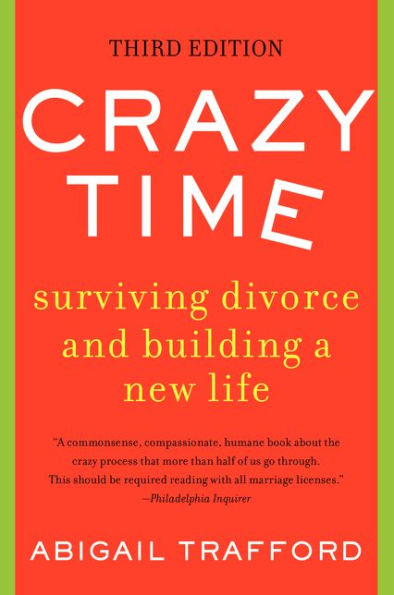
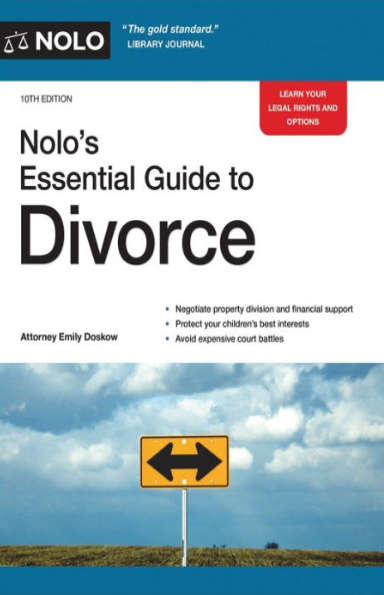
Books: Recommended Reading


























The Collab Network
CDLP
Michelle Garibay, CDLP® Certified Divorce Lending Professional
Tami Wollensak, CDLP®, Empowered Uncoupling
Attorneys
Russell Knight, Law Office of Russell D Knight
CDFA
Alexis Maafoh CFP®, CDFA®
Samm Pring, CDFA®, Healthy Divorce Options
Baili Roy, Wealth Advisor, CFP®, CDFA®
Nicole Romito, CFP®, CDFA™
Wendy West, Financial Planner
Coaching
Intuitive Divorce, Bill Miles & Kristen Noel
Financial Education
Purse Strings
Podcasts
The Shit We Don’t Talk About!
Mediation
Center for Divorce Resolution, Sharon Count, CDFA, Divorce & Family Mediator
College Planning
Vicki Vollweiler, Founder, College Financial Prep | Divorce & College Planning Specialist
Latest Blog Posts
Megan’s extensive local knowledge and proficiency in the intricate financial aspects of real estate transactions enable her to guide clients effectively through Chicago’s complex market.

Home Equity in Divorce: What It Means and Why It Matters
Equity is probably the most used — and most misunderstood — word in any divorce involving a home. People treat it like cash sitting in a drawer somewhere. It's not. Home...

The Real Cost of Keeping the Home in Divorce
What the mortgage payment doesn’t tell you — and how to make the decision with clear eyes I talk with people every week who are going through divorce and facing the same...

Deferred Sales in Divorce: When Waiting to Sell is the Smartest Move
When a couple is navigating divorce, the home becomes more than real estate. It’s stability, it’s memories, and it’s often the biggest financial asset in the picture. And...